English
 Português
 Nederlands
 Italiano
 Français
 Deutsch

Increased strength, added recovery, and serious muscle gains — the steroids talk inevitably rewinds to the question: how long do steroids stay in your system? Whether you need to think about a drug test, plan your next steroid cycle, or are just curious about how your body works with these compounds, the timeline matters.
All steroids respond differently from each other. While some steroids have clearance times in days, others linger in the body for weeks or even months. Below, we’re going to break this all down in clear sections: how long various steroids stay in your system, the factors influencing their detection time, and what this means if you are tested or using steroids long-term.
What Are Steroids?
Steroids are synthetic substances that mimic natural hormones in the human body, especially testosterone. Anabolic-androgenic steroids, also known as AAS, are common in fitness and bodybuilding applications and can help to build muscles, improve performance, and recover faster from strenuous bouts of exercise.
Athletes and clinicians use three primary types of steroids in the world of exercise and sports:
These steroids are commonly used by bodybuilders for muscle building, strength improvements, and faster recovery. Some of the most common examples of AAS include Testosterone, Trenbolone, and Nandrolone.
- Corticosteroids
Such drugs are prescribed to reduce inflammation, treat autoimmune conditions, and control asthma. Corticosteroids are rarely used to enhance appearance or physique in fitness settings.
- Prohormones
They are effectively precursors to anabolic steroids. Once a prohormone is consumed, the body converts it into active hormones. Prohormones can be problematic due to heightened variability in effects or the legality issues with using them.
Each different compound has its chemical structure and behaves differently in the body. Some steroids are delivered orally, others by injection and the delivery method changes how long the compound stays active or how detectable it may be.
Anabolic steroids primarily work by binding to androgen receptors in muscle tissues. Once bound, they initiate a process that essentially increases protein synthesis and nitrogen retention to facilitate quicker recovery. Also, drugs have the additional effect of suppressing your natural testosterone production and altering your natural lipid profile from exercise.
Why Is It Important to Know How Long Steroids Stay in Your System?
Knowing how long steroids stay in the body is essential for everyone. It has implications for athletes, bodybuilders, and even users of steroids on prescription. Here are the reasons why it is important to know how long steroids stay in your system:
- Drug testing
Athletes competing in sports have to be concerned with testing for banned substances. Failing a drug test could result in a suspension or lifetime ban.
You need to know when a compound clears out to time your PCT adequately so that you can bring back natural hormone production as close to the time you stopped using steroids.
- Health safety
Some of the side effects of steroids are not limited to the period of use. Knowing how long steroids take to clear helps you understand the risks involved in your health.
- Stacking
Classes of steroids may build in your system and may overlap with other compounds leading to extra stress on your body and possibly worsening side effects.
- Supplement timing
Having an understanding of the clearance profile of steroids in the body assists determination of timing for the use of natural test boosters or cleanse phases.

Detectable timeframes impact decisions regarding competition dates, PCT protocols, and potential combinations with other substances. You shouldn’t start a cycle if you do not know how long these compounds stay active. Planning a cycle without understanding this can result in failed drug tests, hormonal imbalances, and health issues.
Types of Steroids and Their Half-Lives
Half-life represents the time it takes for half the drug to leave your system. It serves as a predictive factor on how long the compound remains active and detectable. The longer the half-life, the longer the compound takes to leave the body. This is a more in-depth comparison of the popular compounds:
| Steroid | Form | Half-life | Usage notes |
| Testosterone Propionate | Injection | 2–3 days | Fast-acting, often used in short cycles or cutting phases. |
| Testosterone Enanthate | Injection | 5–7 days | Popular for bulking, has slower release, and requires less frequent injections. |
| Trenbolone Acetate | Injection | 3 days | Highly potent and often used in advanced cutting cycles. |
| Dianabol (Methandrostenolone) | Oral | 6–8 hours | Strong and fast-acting, often used as a kickstart in bulking stacks. |
| Winstrol | Oral and inject | 9 hours (oral) | Common for cutting and provides a dry, lean muscle look. |
| Deca-Durabolin (Nandrolone Decanoate) | Injection | 6–15 days | Long-lasting and can remain detectable long after the cycle ends. |
Half-life does not tell the whole story. Some metabolites stay in fat tissues, stay in organs, etc. Prolonging detection after levels in the blood have fallen off.
How Long Do Anabolic Steroids Stay in the Body?
The amount of time steroids linger in your body is dependent on the chemical structure of the drug, the route of administration, and your physiology. In general, this is how long anabolic steroids stay in the body:
- Short esters normally stay for 1–2 weeks.
- Oral steroids remain in the body for 2–3 weeks.
- Medium esters stay for 3–4 weeks or longer.
- Long esters stay in the body for several months.
Some advanced methods can detect certain steroids and their metabolites in hair samples greater than 6–12 months.
Detection Windows for Steroids
Detection windows depend on the type of test method, the frequency of drug use, and the dosage of the drug. Below is a more extensive table:
| Steroid | Approximate detection time | Test types |
| Dianabol | 4–6 weeks | Urine and blood |
| Stanozolol | 3–4 weeks | Urine and blood |
| Testosterone Enanthate | Up to 3 months | Urine and blood |
| Deca-Durabolin | Up to 18 months | Urine, hair, and advanced lab testing |
| Trenbolone Acetate | 4–5 months | Urine and hair |
| Boldenone | 5–8 months | Urine |
Higher sensitivity testing methods, such as gas chromatography-mass spectrometry (GC-MS), also increase detection chances even sometime after drug use.
Factors Affecting Steroid Detection Time
Many factors determine how long steroids can be detected in the body:
- Type of steroid
Long-ester injectables are generally detectable for longer than short esters and oral forms.
- Administration method
Injections are released slower than pills, which often makes them detectable longer.
- Dosage and frequency
Higher doses and more frequent use lead to detection for longer periods.
- Metabolism and body composition
People with faster metabolisms or lower fat percentages may clear steroids faster.
- Hydration, liver, kidney function, and genetics
These affect how efficiently your body filters substances. Genetics also influence hormone sensitivity and clearance speed.
Stacking multiple steroids together may also prolong detection if they all go through the same metabolic pathway. It can lead to confusion in metabolism due to the total dosage effect and if all esters go through the same metabolic pathway.
Do Steroids Show Up on a Drug Test?
It is common for professional and competitive sporting organizations to have anabolic steroids on their banned substance panels. Ordinarily, if you are screened for drugs as part of your workplace, steroids are not included in that screen unless otherwise stated.
Testing for steroids looks for the following:
- Changes in testosterone and if a T/E (testosterone to epitestosterone) ratio is unusual or elevated.
- Confirmation of synthetic metabolites.
- Long-term deposits in the hair follicle.
- Esterified compounds or designer drugs.
- Biological passport changes (used in elite-level athletics).
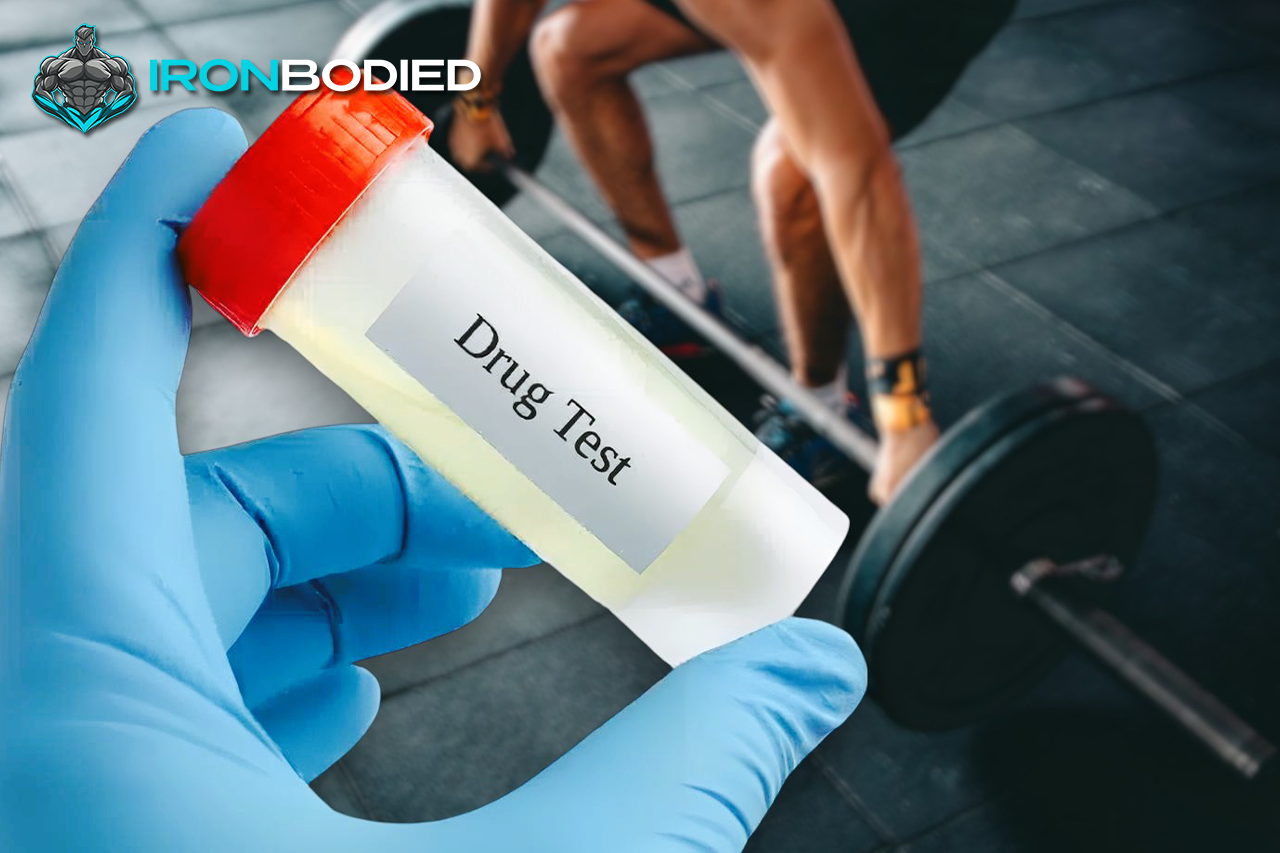
Even a single dose of a long-acting steroid can be flagged on a sensitive test weeks or months later.
Steroid Detection Tests
Let’s take a closer look at the five most common steroid detection tests:
- Urine tests
It is one of the most common methods for testing steroid users. It tests for breakdown products and metabolites. They are inexpensive and generally reliable screening methods.
- Blood tests
They provide real-time detection of active drugs and are used in both clinical and athletic drug testing.
- Saliva test
Saliva tests are rare but their use is growing. Such tests are suitable to indicate recent usage of oral steroids and can show the use of methandienone.
- Hair follicle test
These tests show a history of use from one day to up to one year.
- Isotope ratio mass spectrometry (IRMS)
The IRMS test is used to detect the sources of synthetic testosterone sources and designer drugs.
The combination any one organization or country uses will depend on their policies and the sport.
Possible Consequences of Steroid Detection
Regardless of your situation, getting caught with steroids or other performance-enhancing drugs in your system can have dire consequences.
- If you are in a sport, you may face suspension from competition or a lifetime ban, particularly from professional sports or Olympic competitions.
- There is a personal repercussion if you are a high-profile athlete, you risk losing all credibility in the sport with your peers, your sponsors, or your fans.
- Depending on your profession you may also risk losing your job if you are in an industry where random drug testing is a requirement and a zero-tolerance policy is in effect.
- In many places around the world, steroids are controlled substances. In those jurisdictions, possession or trafficking of steroids may result in criminal charges.
- Frequent drug testing can affect your ability to travel or acquire insurance. If you are repeatedly failing tests, any visa application that you may submit may be rejected. Frequent drug tests and failed tests can affect your ability to receive insurance.
And finally, the consequences can be long-term. The risks of failed tests can damage your long-term potential as a career athlete or land you in serious legal trouble if you live in a country with strict drug laws.
Conclusion
Steroids do not all exit your system at the same rate. Some may exit in days, while other drugs may linger for months. Understanding the half-lives, detection times, and types of testing can help you to make the best, informed decisions possible the next time you consider using steroids.
If you end up using steroid compounds, timing is crucial. Follow safe cycle protocols, understand the risks that come with steroid usage, and always be cognizant of how long steroids can linger in your system – for both drug tests, and your health.
The more informed you are, the safer and more effective your experience can be, whether your goal is passing a test, protecting your health, or getting long-term results.